Building a SOC on Dozor
We deploy Dozor inside your perimeter, connect sources and tune detection to your systems. We write shift procedures and train analysts to work with AI investigation.
- INC-2041External SSH sign-in by a service accountCritical
- INC-2038A series of failed VPN sign-ins from one addressHigh
- INC-2035New service on a domain controllerHigh
- INC-2029PowerShell launched from an email attachmentMedium
- INC-2024Planned update marked as routine workClosed
The shift sees the queue by severity and SLA deadline
What is included
- Sources
- Dozor agents on servers and workstations, logs from network equipment, clouds and your SIEM.
- Detection
- Rules for your systems and attack scenarios, coverage checks against MITRE ATT&CK.
- Response
- Playbooks and rights for response actions approved by a second person.
- Processes
- Shift procedures, severity levels, SLA deadlines, shift handover and escalation.
- People
- Analyst training, review of simulated attacks and support in the first months.
Photographs

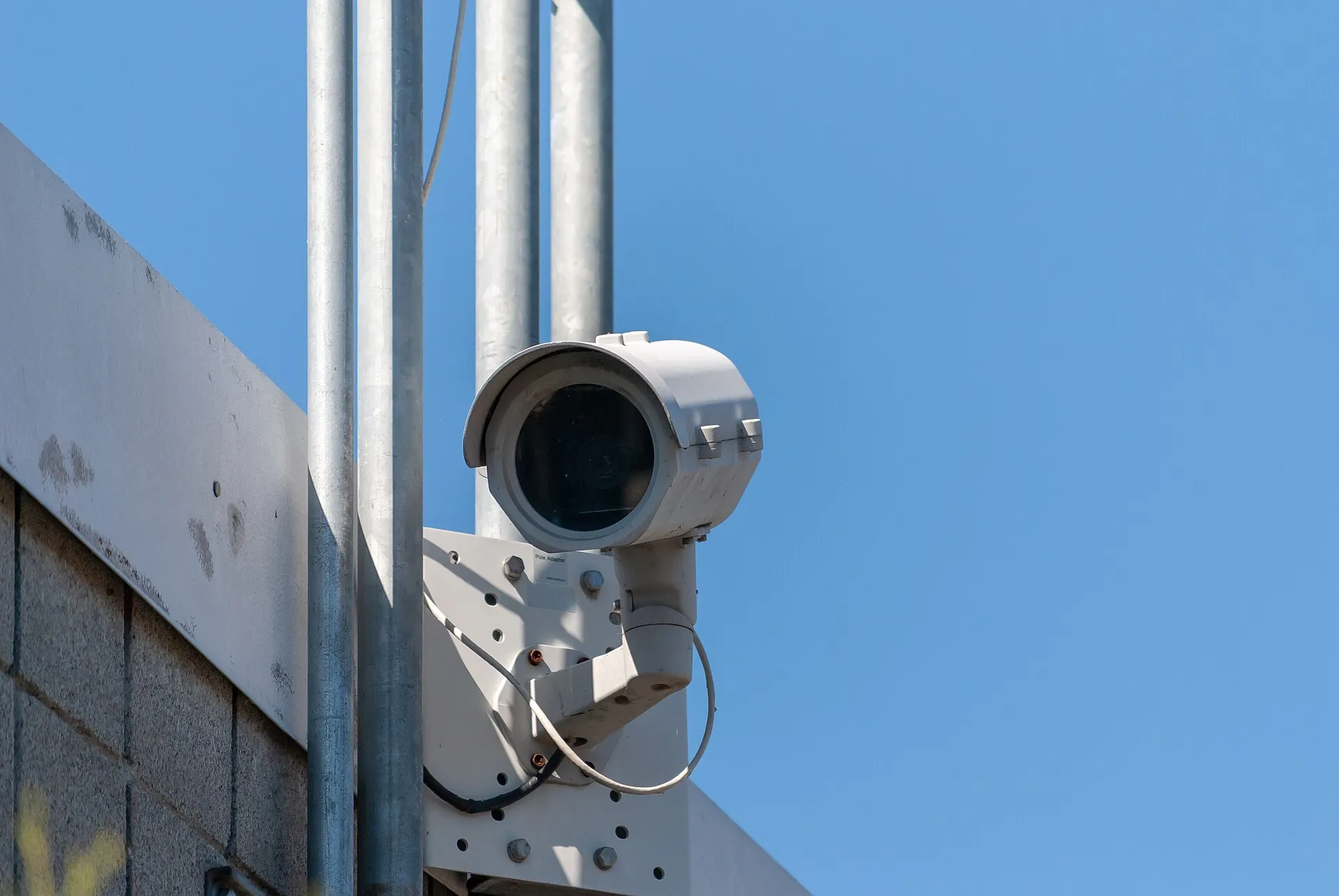
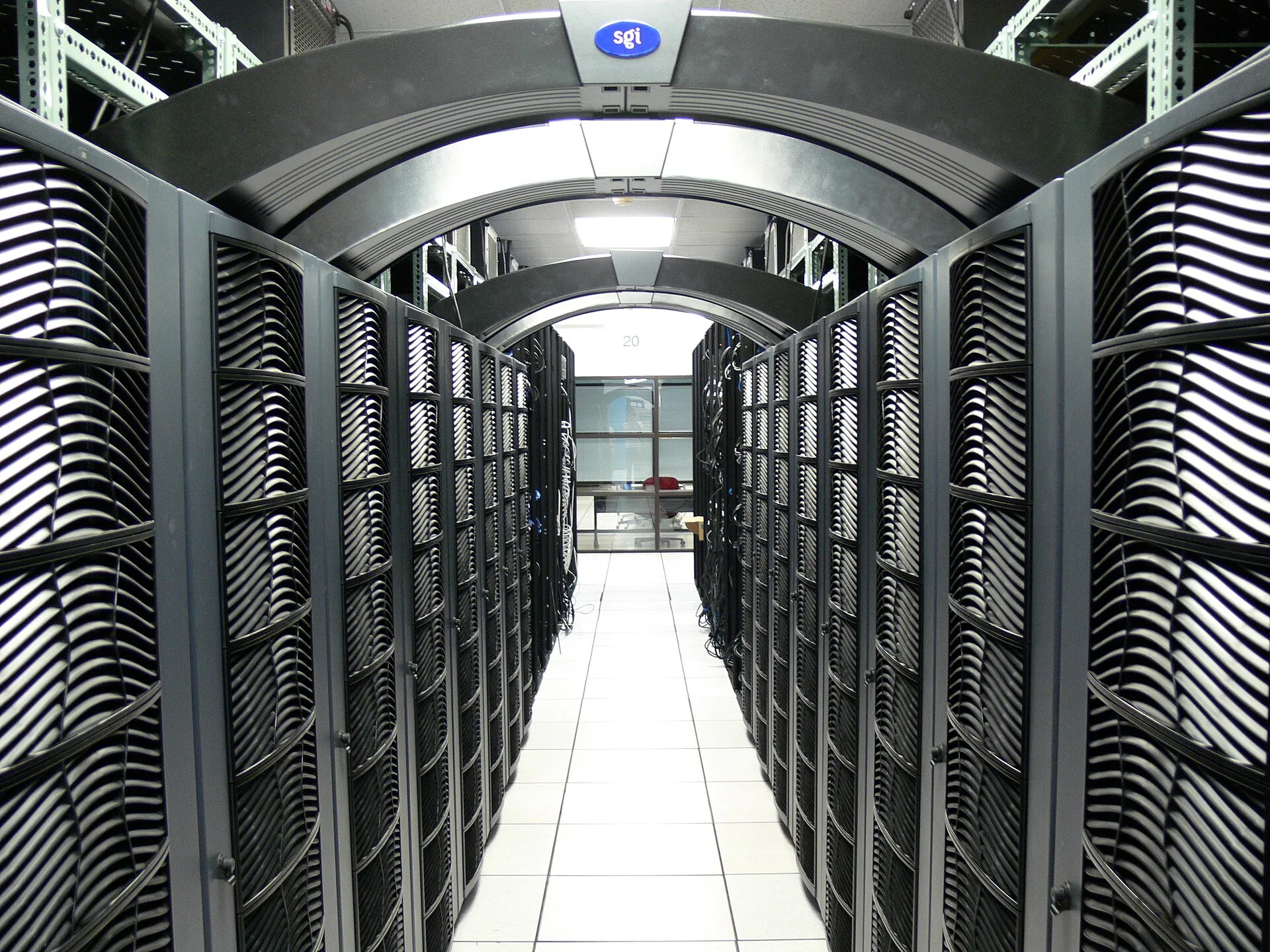
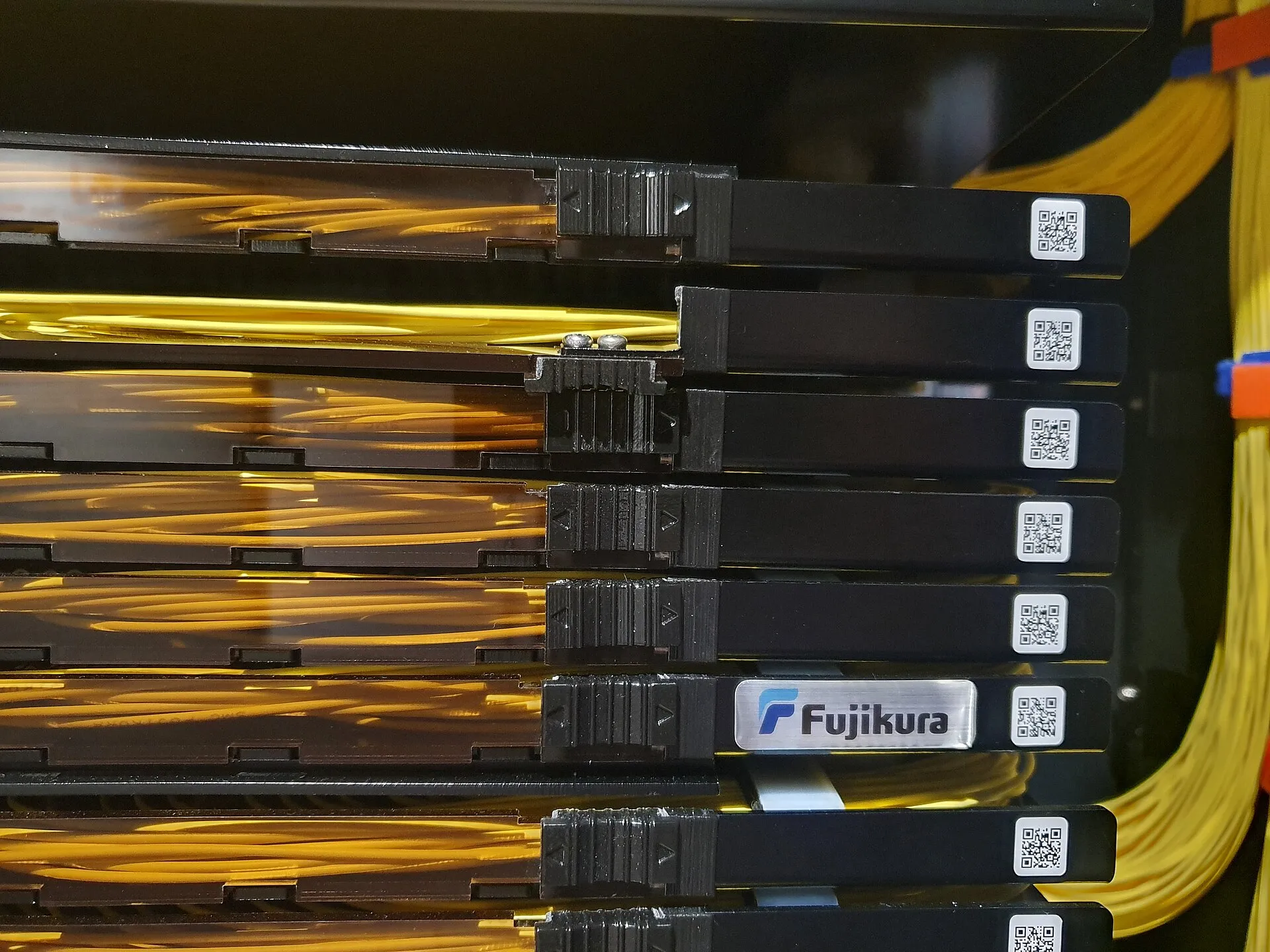
Photos: NASA Johnson Space Center, public domain; Cody Logan, CC BY-SA 4.0; Christopher Bowns, CC BY-SA 2.0; Syced, CC0, Wikimedia Commons.
Where we start
Alongside a SIEM
If you already have a SIEM, we connect it to Dozor as a source, and the AI investigates its alerts.
From scratch
If there is no monitoring, we start with agents and logs from key systems and grow the coverage.
Your own shift
We hand the platform and processes over to your team together with training and procedures.
How we build it
- 01
Assessment
We study the infrastructure, event sources, current processes and regulatory requirements.
- 02
Design
We define sources, attack scenarios, shift roles and performance metrics.
- 03
Deployment
We install Dozor, connect sources and tune rules and response playbooks.
- 04
Simulated attacks
We test detection on MITRE ATT&CK scenarios and close the gaps.
- 05
Handover
We train the shift, hand over procedures and support the first months of work.
What you get
- Working monitoring on Dozor inside your perimeter.
- A MITRE ATT&CK coverage map with tested rules.
- Procedures for the shift, escalation and response.
- Trained analysts and a report on the simulated attacks.
Questions
Ask your own questionHow many people does an in-house SOC need?
It depends on the number of sources and the operating mode: a 24/7 shift needs more analysts than a daytime one. We do the calculation during the assessment.
Can we keep our SIEM?
Yes. Dozor accepts its alerts over syslog, CEF, LEEF or JSON, and the AI investigates them together with agent data.
Where is monitoring data stored?
On your servers. Dozor runs inside your perimeter, and external connections stay off until you turn them on.
Discuss your task
Describe the task and the timeline. We will reply, clarify the scope and propose a plan.
- Contract. We start with a contract and a non-disclosure agreement. The scope of work and the permissions are put in writing.
- Scope. Goals, systems, timing and emergency contacts are agreed before the work starts.
- Work. We keep you updated as the work goes and report critical findings at once.
- Report. We hand over a management report and a technical report with evidence and recommendations.
Or write to us: info@dozorsecurity.kz